

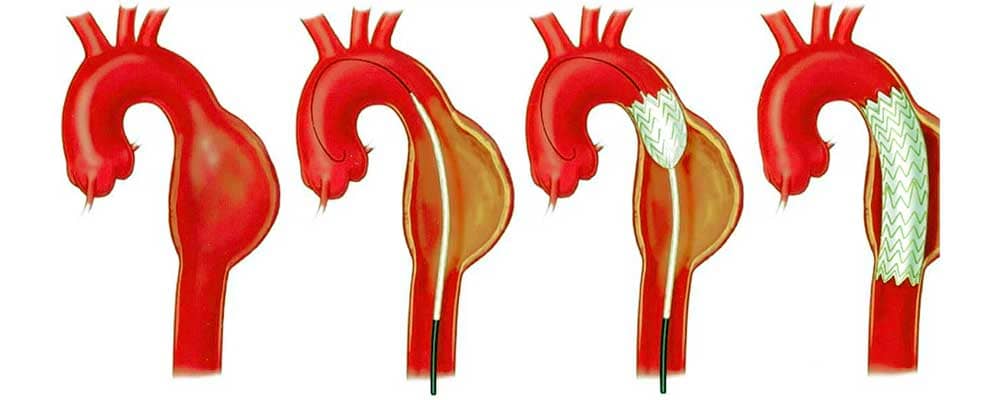
This could be the initial symptoms of an aortic aneurysm, it is a silent but deadly disease that could become life-threatening when it is not prevented. Fortunately, the current endovascular surgery tools such as EVAR and TEVAR are able to fix the damaged artery without the need of open surgery being performed.
What is an Aortic Aneurysm?
The world wide artery of your body is the aorta, which is supplied with blood by your heart. Its walls at times become weak and begin to expand outside; this is called an aneurysm.
What is EVAR and TEVAR?
They are surgical procedures and they involve creation of a small opening near the leg to insert a fine tube with the help of the coronary arteries. A purposefully made stent graft is implanted into the aneurysm to reinforce the affected wall as well as prevent rupture.
What is the reason behind the growth of aortic aneurysms?
They may arise either as a result of old age, elevated blood pressure, smoking, genetic influence or the accumulation of cholesterols which makes the arterial walls weak. The aneurysm may not show any symptoms until it is large, and this is where regular health screening becomes so necessary particularly to individuals beyond 60 years of age or whose family records indicate having a vascular disease.
How is the procedure done?
EVAR or TEVAR is conducted as local pain relief or general. A surgeon puts a small tube in the leg artery and puts a stent transplant directly in the aneurysm. The transplanted tissue when placed in position blocks the aneurysm to blood flow and therefore breakdown cannot occur and preservation of the artery is carried out.
What makes you visit a vascular specialist?
In case you are over 50, you have high blood pressure, smoke, or there is a history in your family of strokes, frequent screening can save your life. Cases with the identification of an aneurysm before it breaks provide the most successful opportunity to a complete recovery with EVAR or TEVAR.
Benefits of EVAR / TEVAR to open surgery
- Less possibility of bleeding or infection
- Decreased hospital stay and healing
- Less pain and less time of recovery
- Effective long-term results at regular observation