

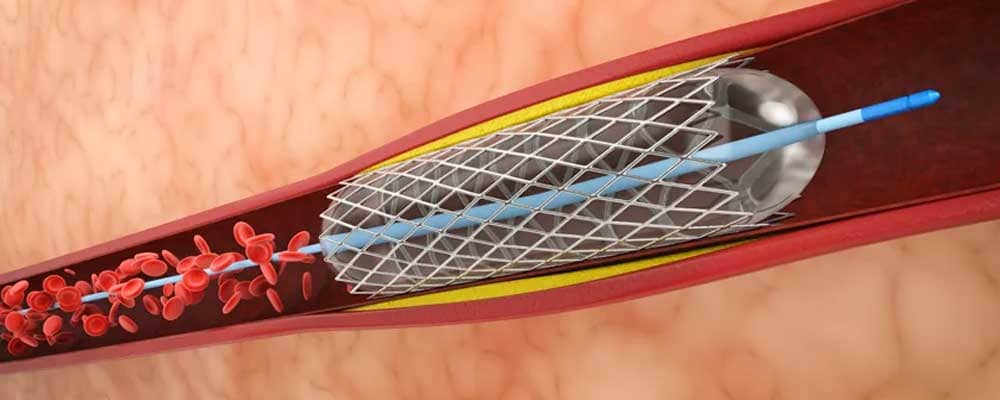
Your tissues have difficulty getting oxygen when the flow of blood is limited to them, and they may be painful, itch, or get infections that do not heal. However, there is an opportunity here, Peripheral Angioplasty will be able to correct your circulation and help you out of your symptoms safely and effectively.
What is Peripheral Angioplasty?
The purpose of peripheral angioplasty is to open blocked or narrowed arteries in the other parts of the body (legs are also known as lower limbs), neck (carotid arteries), or kidney (renal arteries). It is a process which is done as an alternative to an open surgery process, and involves a fast process where the artery is compressed by a small tube with a balloon at the tip of the tube to push the free flow of blood back.
How does the constriction of arteries come about?
Fatty plaque may also develop in the arteries due to such conditions as Peripheral Artery Disease (PAD), high blood pressure, diabetes, smoking, and aging. This eventually causes a decrease in the amount of oxygen that is delivered to your legs or body parts, which are causing you pain or even altering your skin, or even creating a risk of heart attack or kidney disease. It ultimately reduces the supply of oxygen to your legs or body parts that produce pain, skin, or even kidney disease change and even stroke.
Who Should Think About It?
This treatment could be the correct choice in case you experience pain on walking (claudication), non-healing foot injuries, blurred vision or headaches caused by the narrowing of the carotid arteries, and low blood pressure caused by the blockage of the renal arteries.
What is the consequence of the procedure?
The majority of the patients can walk for a few hours and are released at home the following day. Follow-up, child style lifestyle changes and drugs can be used to maintain outcomes and stop instances of closing.
What are the advantages of using endovascular treatment as a substitute for open surgery?
It is less painful, does not need any significant cuts, and has a shorter recovery, which is why. It is particularly useful with older patients or those with other health conditions.
Is angioplasty preventive of amputation or stroke?
Absolutely. It saves lives by restoring blood flow to the legs thus saving tissue death in the legs and minimizing the risk of stroke due to carotid artery narrowing, which are two of the life-saving effects of timely treatment.
Benefits of Peripheral Angioplasty
- Incidental and no significant scars
- Fast healing and shortened hospitalization
- Reduced the threat of amputation and strokes
- Prolonged childhood renal and brain health benefits