

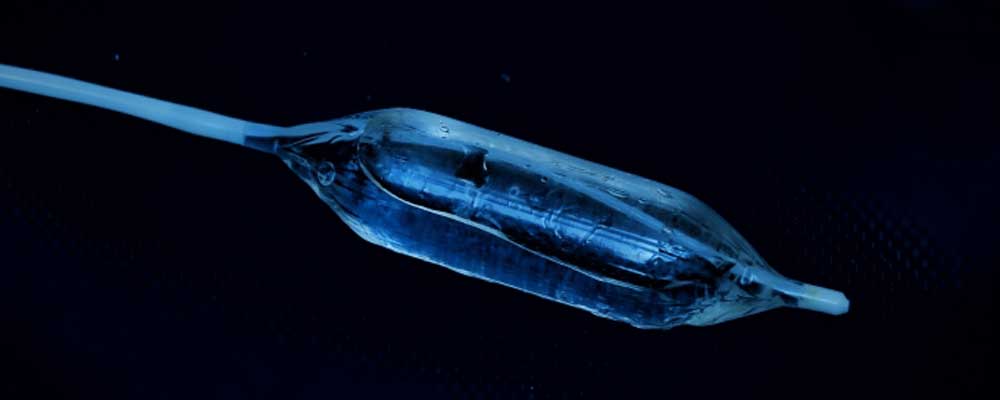
Valves of the heart are important in ensuring that the flow of blood in and out of the heart is smooth. At times, these valves may get constricted (a condition termed as stenosis), thus, the heart finds it difficult to pump blood normally. Balloon Valvuloplasty is a simple surgical procedure that helps in expanding these constricted valves, and establishing the normal flow of blood, without necessarily having an open heart surgery.
This surgery is possible on various valves such as the Atrial Septum, pulmonary valve and Aortic Valves depending on the location of the compression. It is usually applied both in children and adults with learned or natural valve defects.
Why It's Done
Your physician can suggest Balloon Valvuloplasty in case:
- The valve of the heart is blocked and reduces the blood flow.
- The child suffers a lack of breath, weakness or chest pain.
- The newborns show proof of low oxygen or retarded growth.
- The disease can be treated with the help of a tube rather than surgery.
- Certain surgery should take place after the patient is relieved of the symptoms or better functioning of the heart.
Balloon Valvuloplasty is used to ease the valve blockage, enhancing the circulation, supply of oxygen, and the general functioning of the heart.
Understanding the Types
- Balloon Atrial Septostomy: This is performed in newborns with some complicated congenital heart conditions to allow the formation or expansion of an opening between the upper chambers (atria) of the heart to permit sufficient oxygen mix and improved blood flow until they can undergo corrective surgery.
- Balloon Pulmonary Valvuloplasty: This is done when the pulmonary valve is constricted. This assists in relieving pressure on the right ventricle and enhances more blood flow to the lungs.
- Valvuloplasty of the Balloon Aortic Valve: Applied in the treatment of aortic valve constriction. It assists in the decrease of the load on the left ventricle and enhances the blood circulation to the body.
Preparation of the Procedure.
Balloon Valvuloplasty is an operation that is conducted in a cardiac catheterization laboratory under either local or general anesthesia. It is a painless, accurate and tolerable surgery to both children and adults.
During the procedure
- A small balloon on a tiny short and flexible tube is put through a vein or artery, typically, in the lower abdomen.
- The tube proceeds to move towards the narrowed valve using X-ray and echocardiographic guidance.
- After being fixed, the balloon is released lightly to expand the opening of the valve and enhance the circulation of the blood.
- The air is next forced out of the balloon and removed and the valve left open.
The whole process normally lasts between 1 and 2 hours and the majority of patients usually discharge within 24 to 48 hours.
The benefits of Balloon Valvuloplasty
- Minimally invasive No big stitches or open heart surgery.
- Rapid recovery period and low stay.
- Short-term enhancement in the heart and symptoms.
- Treatment of the majority of stenosis of valves, safe and effective.
- Reduces the early surgical interventions among babies and children.
Once a Consultation should be Scheduled
In case your physician has diagnosed you or your child with valve stenosis, or a Balloon Valvuloplasty assessment has been advised, then it is worth doing it soon. It can be treated with early intervention, thus avoiding complications and making the heart operate normally once again.
Our qualified staff is ready to help you in the process of diagnosis, treatment, and follow-up treatment.
Your heart has to be taken well as it is an exquisite thing.