

A heart attack happens when a coronary artery is suddenly blocked, stopping the blood supply to part of the heart muscle. This is a medical emergency, and timely treatment can save a life and protect the heart from permanent damage. One of the most effective emergency treatments for a heart attack is primary percutaneous coronary intervention (Primary PCI), commonly known as Primary Angioplasty.
Unlike routine angioplasty, primary angioplasty is performed immediately after a heart attack is diagnosed, without any delay. It is considered the gold standard treatment for patients with ST-elevation myocardial infarction (STEMI).
What Happens During Primary Angioplasty
The goal of this procedure is simple but lifesaving open the blocked artery as fast as possible and restore blood flow to the heart.
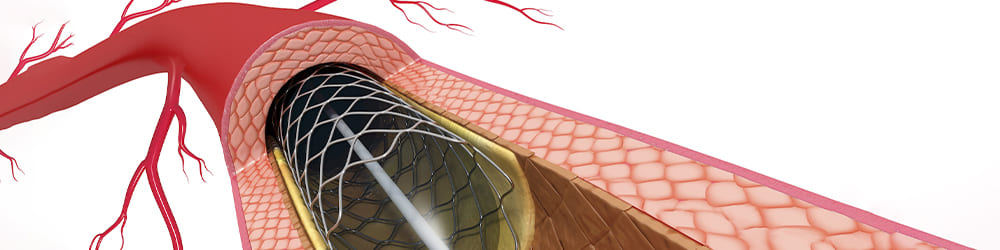
A thin catheter with a small balloon at its tip is carefully inserted through a blood vessel in the wrist or groin and guided to the blocked artery. The balloon is then gently inflated to open the blockage, and often, a stent is placed to keep the artery open.
The procedure is done in a cardiac catheterization lab (Cath Lab) by an experienced interventional cardiologist. Because it’s performed on an emergency basis, every minute matters faster treatment means better recovery and less damage to the heart muscle.
Why Primary Angioplasty is Life-Saving
- Quickly restores blood flow to the heart muscle
- Reduces the risk of major heart damage
- Improves survival rates in heart attack patients
- Lowers the chances of future heart failure
- Offers faster recovery compared to other emergency treatments like thrombolysis (clot-busting drugs)
- Emergency Cardiac Care You Can Trust
At our cardiac center, we have a 24/7 emergency PCI team ready to act the moment a heart attack is suspected. From rapid diagnosis to immediate angioplasty, every step is designed to give patients the best chance of survival and recovery.
We use state-of-the-art technology, world-class protocols, and personalized post-procedure care to support patients and their families through this critical time.
Your Heart Deserves Timely Action
If you or someone near you experiences chest pain, shortness of breath, sweating, or discomfort in the arm or jaw, call emergency services immediately. Primary angioplasty saves lives — and quick action makes all the difference.