
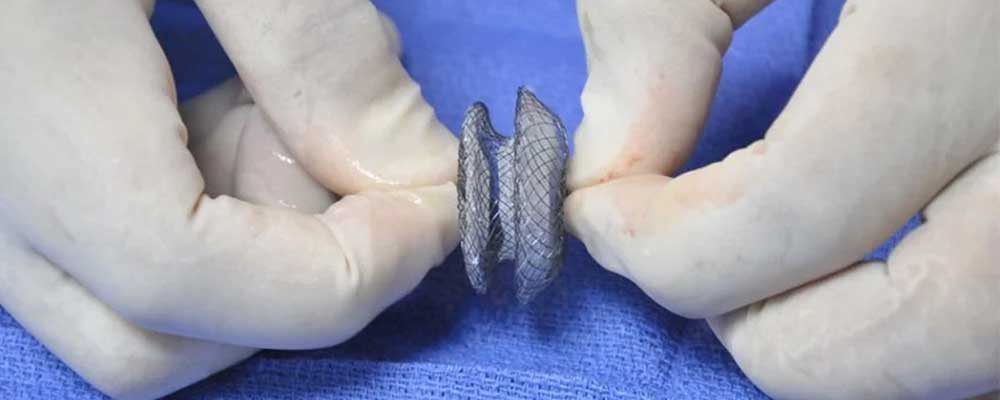
The heart is important in providing blood with oxygen to the whole body. Some people have small holes in the walls of the heart which could remain post-birth and cause abnormal blood flow to take place. These defects, Atrial Septal Defect (ASD), Ventricular Septal Defect (VSD), or Patent Ductus Arteriosus (PDA) are now effectively treated without open-heart surgery by a procedure that requires minimal discomfort called Device Closure.
The developed medical procedure assists in closing these defective openings with special equipment so that the heart works normally and effectively once again.
The Knowledge of the Conditions
- Atrial Septal Defect: The hole is located between the upper chamber (atria) of the heart through which the oxygen-rich blood mixes with the oxygen-poor blood.
- Ventricular Septal Defect: An opening between the lower chambers (ventricles) of the heart that may allow the additional blood to be pumped to the lungs, and overwork the heart.
- Patent Ductus Arteriosus: The fact of a constant communication between the aorta and pulmonary artery which is believed to close shortly after birth but is open in selected babies.
Unsecured, they can cause the following symptoms in children, including tiredness, breathing difficulties or retarded growth, and in adults, complications such as lung high pressure or heart attack.
Why Device Closure Is Done
Your doctor can suggest the closure of the device in case:
- The heart has a huge hole which creates abnormal circulation of blood.
- The child undergoes difficulty in breathing, tiredness or frequent infection of the chest.
- The patient has an appropriate defect that can be secretly treated by means of catheter-based closure rather than an open-heart operation.
- The patient is still undergoing recovery due to the complications with an untreated heart defect she had as a child.
- It is an easier procedure that can be used to close the defect permanently to enhance the functioning of the heart and avoid chronic problems.
Expectations of the Procedure
ASD / VSD / PDA Device Closure is done in a cardiac catheterization laboratory either by local or general anesthesia. It is a painless and tolerable procedure.
Here's how it's done:
- The imaging guidance involves the insertion through a vein in the groin of a small catheter (thin tube) that is directed to the heart.
- A specially crafted closure device is installed over the defect in order to close it.
- The implant is permanent and over time it becomes part of the heart tissue.
- This process normally consumes 1-2 hours.
The majority of patients will be discharged within 24-48 hours and usual functions can be started within several days.
Benefits of the Device Closure
- Big stitches and no need for open-heart surgery.
- Earlier recovery and short hospitalization.
- Less chance to be infected and damaged.
- High success rates in the long term.
- Harmonizes the heart action and energy levels.
The Time to talk to a Consultant
In case you or your child has been diagnosed with an ASD, VSD or PDA, or your doctor has recommended the possible procedure of device closure, we have a cardiac team that is ready to help you.
We offer deep-seated evaluation, clarify all possible treatment methods, and create an individual care schedule towards the most promising outcome.
It starts with the right treatment in order to have a healthy heart, as every beat of the heart matters.