

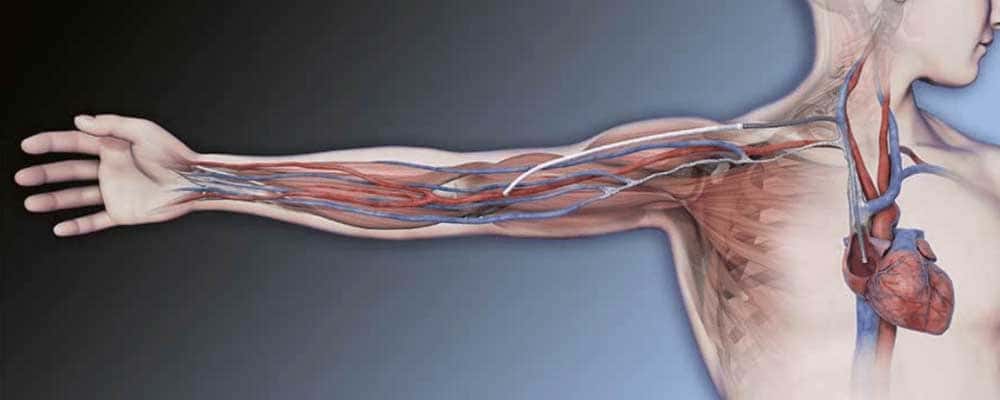
A healthy dialysis access is a life line to patients with kidney failure and the maintenance of healthy dialysis access is critical to safe effective treatment. Using high-tech Endovascular Dialysis Access Treatments and AV Fistula and transplant replacements, heart experts need not perform significant surgery to ensure the proper flow of blood through your access and increase your life.
What is Dialysis Treatment and Why is it Claimed to be Necessary?
Dialysis access is where the blood is taken out and given back in the process of hemodialysis. It's made when it's created surgically as either:
- Arteriovenous (AV) Fistula is a direct relationship between the artery and a vein (preferably the most desired type)
- AV Graft is a synthetic tube used between the artery and vein when the veins are not good for doing a fistula
These accesses may expand, clot, or fail over time, making dialysis a painful or slow treatment. This is where the endovascular interventions come in to place the functionality at a low risk and fast.
What Leads to Blockage of Access or Failure?
Causes of these issues, to name a few, are a blood clot creating and blocking the vessel (thrombosis), vein narrowing (stenosis), scar tissue formation, or infection. The access site may also be affected by repeated needle injections, poor circulation, and extended use.
What are Dialysis Treatment APPG Interventions?
They are the least invasive endovascular treatments that restore the obstructions or clots within the tube or transplanted tissue. Balloons or stents can also be inserted with the assistance of the tiny tubes, which helps to restart the circulation of the blood without forming a new surgical opening.
What is AV fistuloplasty/balloon angioplasty?
A small balloon is inserted into the vessel and released in the case of a small opening or transplant to make it expand, also known as fistuloplasty. It is useful in circulation improvement and allows the dialysis machine to be active once again.
Who Needs These Types of Interventions?
You may be required to review your access should you feel any of the following:
- Poor dialysis clearance/alarms of the treatment
- Long-term post-dialysis bleeding
- Hence, swelling, redness, or pain in the area of the entrance area
- Poor placement of needles or weakness of blood flow (bruit)
How are the procedures implemented?
The location where the tube is placed is normally a small rear fitting. The doctor will be able to perform in compliance with the problem: angioplasty (to open up constrictions of the body).
To fix a stent (to hold the vessels open), use IV tPA for thrombosis or mechanical (clot remover) thrombectomy.
This entire process must not be allowed to consume a longer time of more than an hour, and most patients can be discharged back to their homes the same day.
Benefits of Dialysis Access Interventions
- Urgent recovery of blood
- Provides a one-time lifelong service without the need for repeat surgery or opening of new accesses
- Short recovery Very little disturbance
- Extends the life of your tube or your transplant
- Allows for continuous dialysis; increases your odds of not becoming infected and/or having issues