

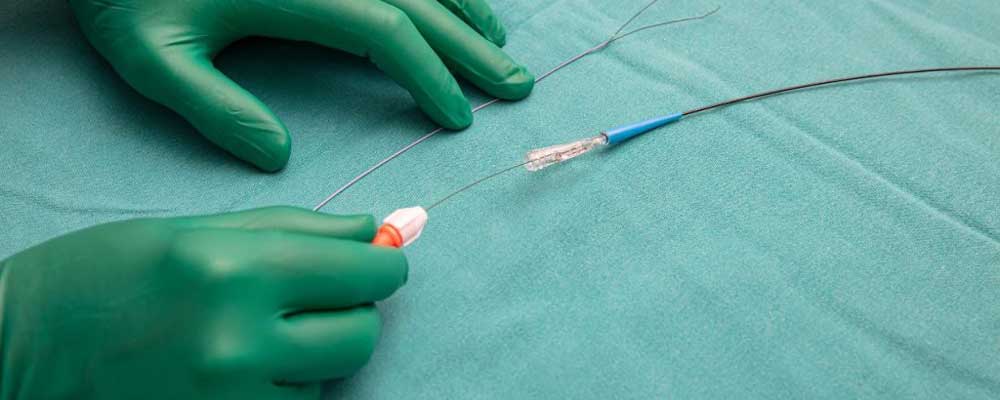
In the case of the heart health of your child, proper diagnosis and the least invasive form of treatment can prove to be the difference. Pediatric Cardiac Catheterization is a critical process that enables the physicians to perceive and cure the heart related problems in children with a high degree of accuracy without necessarily performing open heart surgery.
Why It's Done
Cardiac catheterization can be suggested by your child cardiologist due to a variety of reasons among which are:
- To diagnose birth (congenital) heart defects and learn the severity of the defects.
- To measure the blood flow, oxygen and pressure in the chambers of the heart.
- In order to design corrective heart surgery or assess the results after surgery.
- In the treatment of some heart diseases with the help of catheter-based procedures, including closing holes in the heart (ASD, VSD, PDA), enlarging constricted valves or arteries (balloon angioplasty), or stenting.
- This test offers real time and detailed data that is not visible using the normal echocardiography test and other imaging.
What can be anticipated in the Procedure
Reflective cardiac cath lab Pediatric cardiac catheterization is carried out in a special cardiac cath lab in the presence of an expert pediatric cardiology staff. The operation is not risky, and the majority of children do not take long to heal.
The following is normally the case:
- To make your child comfortable and quiet, he/she will be sedated or anesthetized.
- A fine catheter is placed with a small incision, most often in the groin, and directed to the heart with the help of the complex imaging.
- The physician carries out diagnostic tests or treatment interventions as necessary.
- When this is done, the catheter is then washed off and a small bandage is put on.
The overall time spent is normally 1 to 2 hours with a complex process. Then your child shall be taken to spend a few hours in a recovery place after which they will be taken back home or to a hospital room.
Benefits of Pediatric Heart Catheterization
- No severe surgical cuts or scars.
- Children are able to get back to normal in 2 to 3 days.
- Gives accurate and comprehensive details concerning the heart anatomy and functioning.
- Some heart defects may be cured without surgery.
- A number of procedures are performed outpatient.
Caring Knowledge You Can Relocate on
We are our Congenital and Pediatric Cardiology Department where we blend compassion and the latest technology to offer the best care to heart patients. Under the guidance of Dr. Pankaj, our staff makes sure that each of the procedures is conducted with maximum precision, safety and comfort.
We know that no parent would wish to see his child go through a medical procedure. This is why we spare the time to give you step by step details, clarify all your concerns and provide full assistance - before, during and after the process.
Indications of Cardiac Catheterization
In case: your child had been advised to undergo cardiac catheterisation by a physician because:
- A complex or indistinct heart condition is evidenced by echocardiogram.
- You have a child that requires correction of a heart defect or valve dilation.
- It is necessary to examine the level of healing after previous surgery.
And even when this procedure is recommended to you by your pediatric cardiologist, then be convinced that it is among the safest and most effective tools which can be used to diagnose and treat heart defects in children.